New Title

The Core Principle


To lose weight, you must burn more energy than you consume, no tricks, no shortcuts.

Think of your body like a car engine. If you keep running it without putting in enough fuel, it will eventually run empty. Weight loss works the same way, your body taps into stored energy (body fat) when you don’t replace all the fuel you burn.


Eat More Food, Not More Calories

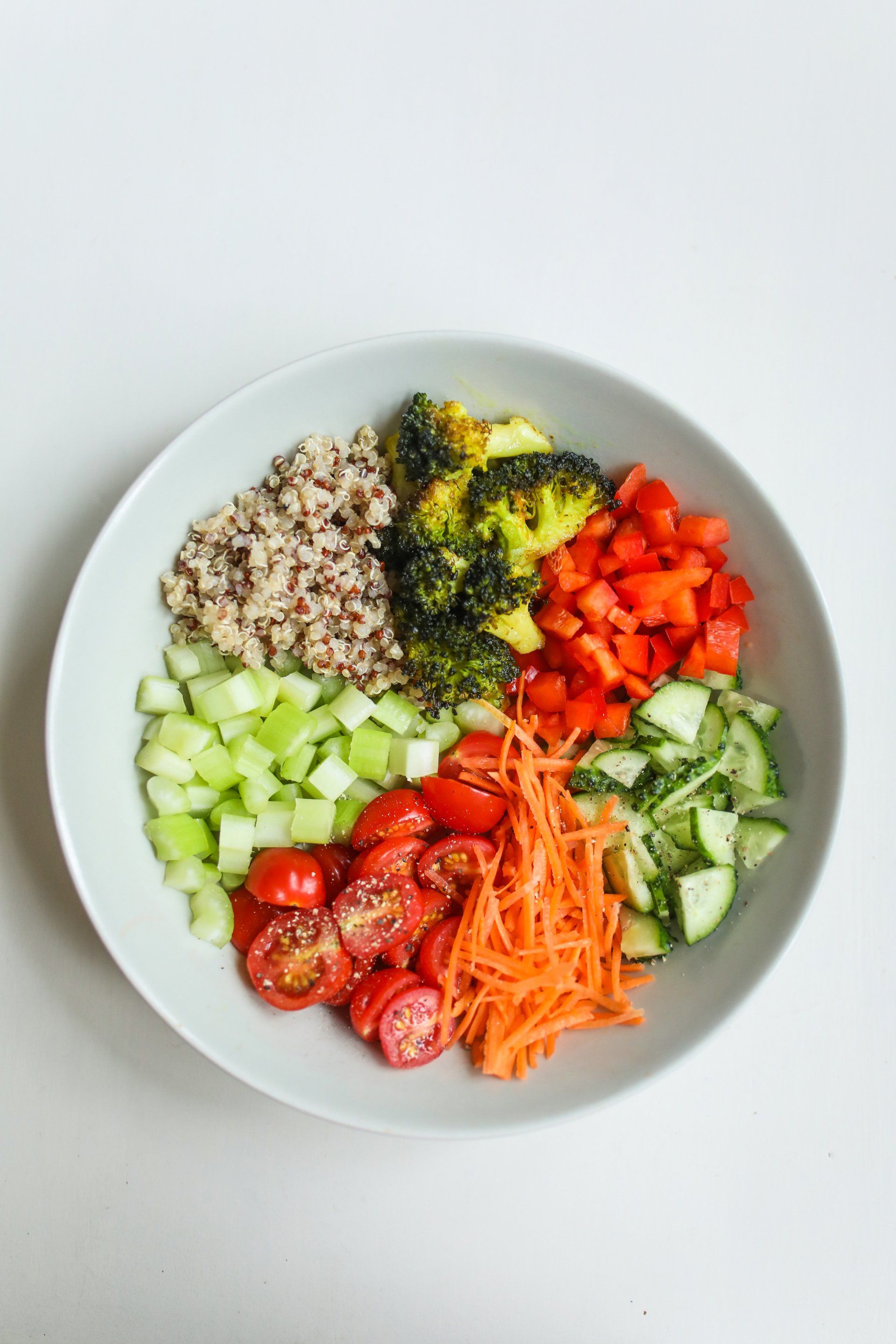
One of the easiest ways to manage your intake is to eat more food that’s less calorie dense.

That means choosing meals made from whole, high-volume ingredients like lean proteins, vegetables, potatoes, rice, and oats. These foods fill you up without packing in excess calories.

Eating regular meals with these ingredients helps you stay satisfied, avoid snacking, and keep your energy stable, all while staying in a calorie deficit.


Increase Your Output


To speed up fat loss, increase how much energy your body uses.


Build More Muscle


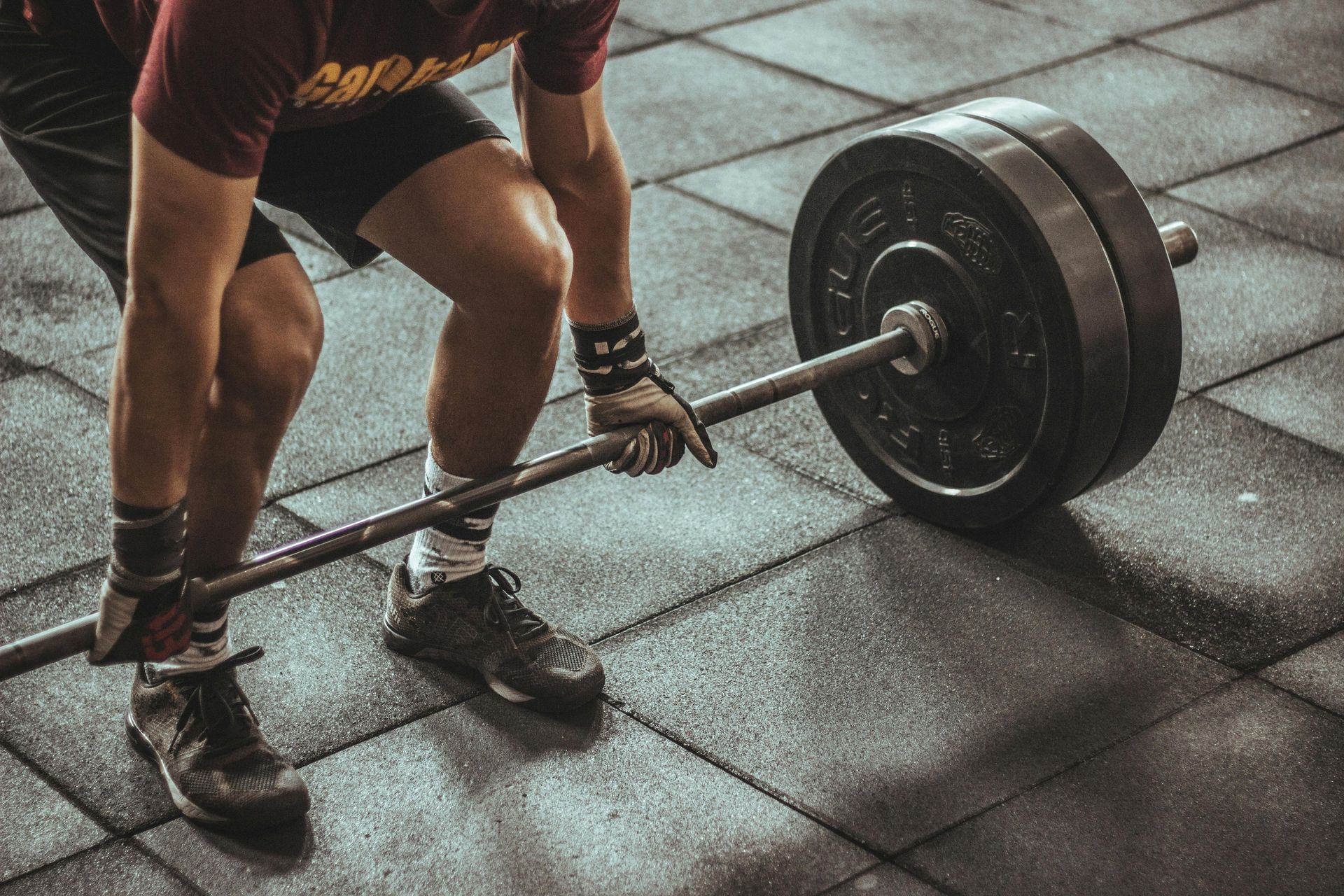
Muscle is like a V8 engine, it takes more fuel to run than a lawnmower. The more muscle you carry, the more calories you burn just moving through the day.


Move More


Cardio and general movement are the biggest drivers of fat loss. You don’t need to run marathons, just move more:

  • Track your steps
  • Ride a bike
  • Play a sport or active hobby
  • Walk more often

It’s better to move more than eat less. Your body responds better to activity than restriction.


Give It Time


If you want to lose 20 kg, and a safe rate is 0.5 kg per week, be prepared to put in 20 to 30 weeks of consistent effort.

That’s why it’s better to change your lifestyle than to chase a quick challenge. Real progress takes time, and sustainable habits will always outperform short-term fixes.



By Steve and Melody Johnstone March 4, 2026
Understanding Your Metabolism: Why Consistency Matters
By Steve and Melody Johnstone March 4, 2026
Strength Is the most important key to long term health
By Steve and Melody Johnstone March 12, 2025
Understanding Sugar. Demystifying sugar and how it works
May 21, 2024
Your body continually consumes energy to sustain life. 
April 28, 2024
We all start some where. Here is my story about how I got to where I am today.
By Steve and Melody Johnstone April 10, 2024
Most diets fail. Not because people lack willpower, but because they pick an approach that doesn't fit their life. These three principles are the foundation of everything we do at Train For Life. Get these right and everything else gets easier.
By test April 10, 2024
What Even Is Healthy? When we talk about being healthy, what does that actually mean? For some, it’s about having energy, avoiding sickness, or feeling good. For others, it’s about fitting into a certain clothing size or seeing a specific number on the scale. While all these factors matter, one of the most reliable ways to measure health is body fat percentage. 1. Why Focus on Body Fat Percentage? Body fat percentage is a more accurate and meaningful indicator of health than just tracking weight. Your weight can change from day to day based on how much water you drink, what you eat, or how active you’ve been. Body fat levels, on the other hand, change more slowly, giving a clearer picture of your health over time. Healthy body fat ranges can vary, but as a general guide: Men: 15–20% body fat is healthy. Women: 20–28% body fat is healthy. These ranges might surprise people. They’re higher than what many expect but lower than what some feel comfortable with. However, these levels provide a balance—enough fat to support your body’s needs while reducing risks associated with excess fat, like heart disease or diabetes. 2. What About Other Metrics? While body fat percentage is important, it’s just one part of the bigger picture. Health includes other elements, such as: Mental Health: Your ability to handle stress, stay positive, and enjoy life. Physical Fitness: This includes strength, endurance, flexibility, and mobility. Energy Levels: Consistently feeling energized is a key sign of good health. Body fat percentage stands out because it directly reflects your body composition and long-term health risks, but it’s not the only thing that matters. 3. Ways to Measure Body Fat Percentage Tracking body fat doesn’t have to be complicated. Here are three common methods: Tape Measure Calculator: Use an online calculator with basic measurements like your waist, neck, and hips (for women) to get an estimate of your body fat percentage. Fat Calipers: These tools pinch your skin to measure fat thickness. They’re more accurate but require practice to use correctly. Body Scans: Clinics or gyms offer scans that assess body fat. Some use basic bioelectrical impedance (less accurate), while others, like DEXA scans, measure fat distribution more precisely. It’s worth checking the type of scan before booking. 4. Why Body Fat Is Better Than Weight Tracking body fat gives a clearer and more consistent picture of your health compared to weight. Your weight can vary for many reasons—water retention, muscle gain, or even the time of day you weigh yourself. Body fat, however, shifts gradually, making it easier to track real progress. 4.1 The History of BMI and Its Flaws In the 1830s, a Belgian mathematician named Lambert Adolphe Jacques Quetelet created what we now call the Body Mass Index (BMI). Quetelet wasn’t a doctor—he was a statistician who wanted to study trends in large groups of people. His formula for comparing weight and height wasn’t meant to measure individual health. BMI gained popularity in the 1970s when American physiologist Ancel Keys promoted it as a quick way to classify obesity. But BMI has some big flaws. It doesn’t account for differences in muscle mass, bone density, or where fat is stored. For example, someone with a lot of muscle might be labeled “overweight” or “obese” by BMI, even though they’re healthy. BMI also doesn’t work as well for women or people of different ethnic backgrounds, since it was based on data from European men. While BMI is still widely used because it’s simple, it’s not very accurate for individuals. Body fat percentage is a much better choice for assessing health. 5. Healthy Changes Over Time Improving your body fat percentage takes time and consistent effort. The key is to make small, manageable changes. Extreme diets or quick fixes may give short-term results, but they’re hard to stick with and often lead to burnout. Health is a long-term commitment, so focus on sustainable habits instead. 6. Redefining Healthy It’s also important to redefine what “healthy” means for you. Being healthy doesn’t mean aiming for perfection. It’s about feeling good, staying active, and making choices that support your long-term well-being. Tracking body fat percentage can be a great tool, but it’s only one part of the picture. By taking a balanced approach and focusing on slow, steady progress, you can create a healthier and more sustainable lifestyle that works for you.